
Every autumn brings baskets of tiny tart apples from backyard trees and quiet orchards. If you enjoy seasonal cooking and traditional recipes, this crab apple jelly recipe turns those small fruits into beautiful jars of homemade jelly. Many cooks love it because crab apples contain natural fruit pectin. That means the jelly often sets without extra gelling agents.
I have prepared many fruit preserves during fall harvest seasons. From jam recipes and marmalade to fruit butter and chutney, few preserves look as stunning as clear apple jelly. This guide explains how to make crab apple jelly step by step while covering food preservation, canning techniques, and flavor balance between tartness and sweetness.
What Is Crab Apple Jelly?
Crab apple jelly is a traditional fruit preserve made from the juice of small apples. The fruit itself is usually too tart to eat raw. However when the apples cook down with sugar and water, the flavor becomes bright and balanced. The juice then turns into clear jelly once the pectin reaches its setting point.
Unlike jam recipes or fruit butter, this jelly contains no fruit pulp. The liquid is carefully strained through a jelly bag or cheesecloth. That process produces a transparent spread often called clear apple jelly. Many homesteading cooks consider it a classic recipe for fall harvest recipes and pantry staples.
Why You’ll Love This Crab Apple Jelly Recipe
One reason people enjoy this recipe is its simplicity. A traditional crab apple jelly recipe requires only crab apples, sugar, water, and sometimes lemon juice. These ingredients work together because crab apples are a high pectin fruit. The natural pectin helps create a firm set without commercial gelling agents.
Another reason this recipe stands out is its versatility. Homemade crab apple jelly works for breakfast toast, scones, or biscuits. Many cooks also add it to cheese boards or roasted meat glazes. Because the jars look bright and beautiful, they also make a thoughtful gift idea for holiday gift baskets.
Ingredients You’ll Need
The ingredient list for this recipe remains simple and traditional. Most batches start with fresh crab apples, granulated sugar, water, and lemon juice. These ingredients form the base of the jelly making process. The fruit provides flavor and natural pectin sources while sugar balances the tartness and helps with preservation.
Some cooks add warm spices to create a spiced crab apple jelly. Cinnamon, nutmeg, ginger, and allspice can create a deeper flavor profile during autumn cooking. However the classic recipe usually keeps the ingredient list minimal so the natural apple flavor remains the star.
Kitchen Equipment Needed
A successful jelly batch begins with the right kitchen equipment. Most home cooks use a large pot or dutch oven for simmering fruit. A thermometer or candy thermometer helps monitor the boiling point and the jelly setting point around 220°F. This temperature ensures the pectin structure forms properly.
Canning tools also play an important role. Glass jars or mason jars hold the finished jelly. A funnel helps fill jars neatly while a ladle transfers the hot liquid. Many cooks also keep a jar lifter and boiling water bath ready for the canning process. Proper sterilization ensures safe food preservation and longer shelf life.
How to Prepare Crab Apples for Jelly
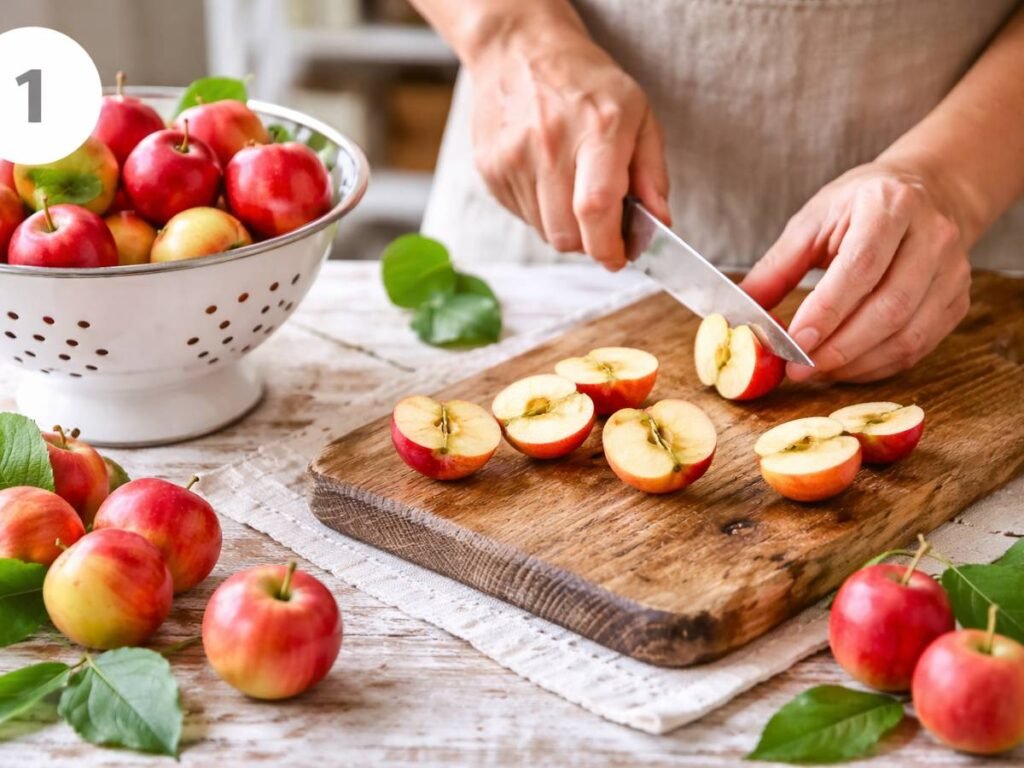
Fruit preparation is one of the most important stages. Start by washing the crab apples carefully. Remove stems and inspect each apple for damage. Many cooks cut the fruit in halves or quarters to check the core and seeds before cooking.
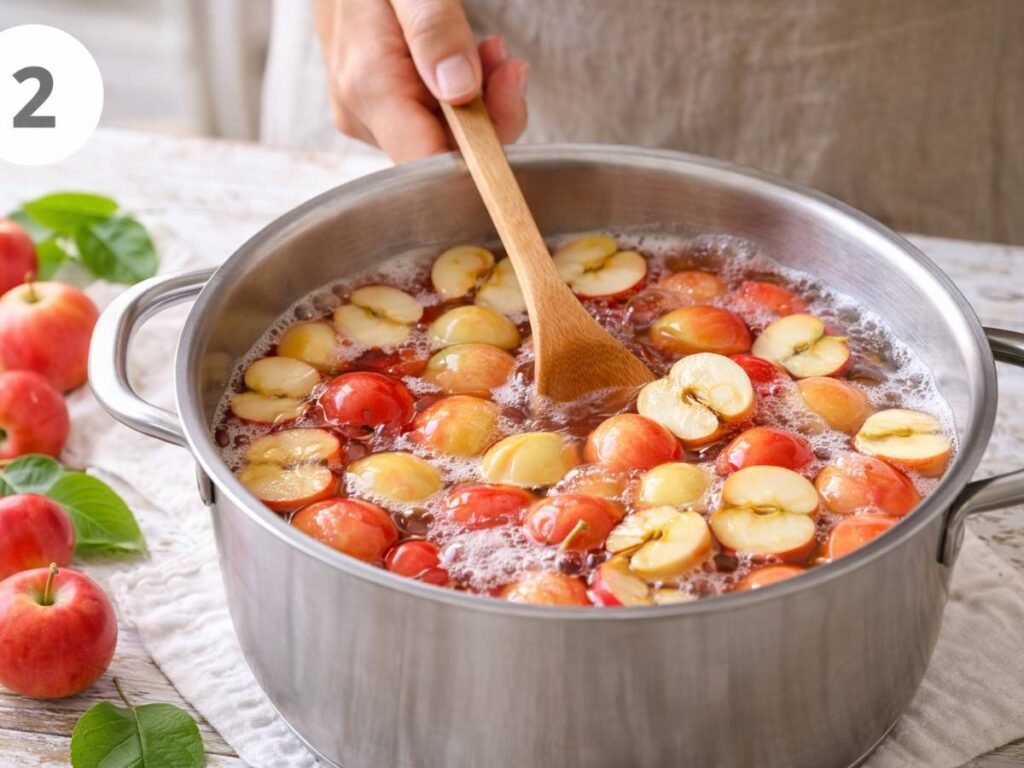
Once prepared the apples go into a large pot with water to prevent browning. This stage begins the simmering process. As the fruit cooks down it softens and releases fruit juice. The apple skins and apple seeds contribute additional pectin which supports the jelly making process.
How to Make Crab Apple Jelly (Step-by-Step)
The cooking process begins with simmering chopped apples in water. During this stage the fruit breaks down and releases juice. Gentle bubbling extracts flavor and natural pectin. Many cooks mash the apples slightly with a potato masher to improve juice extraction.
Recipes With Crab Apple Jelly: Easy Sweet & Savory Ideas
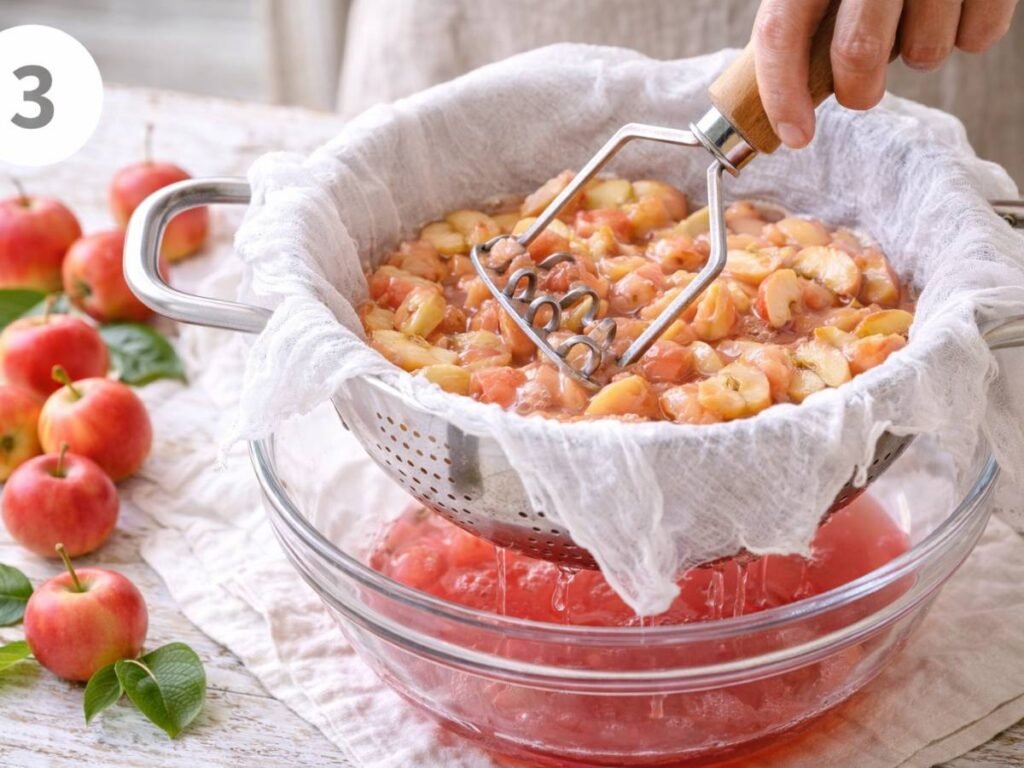
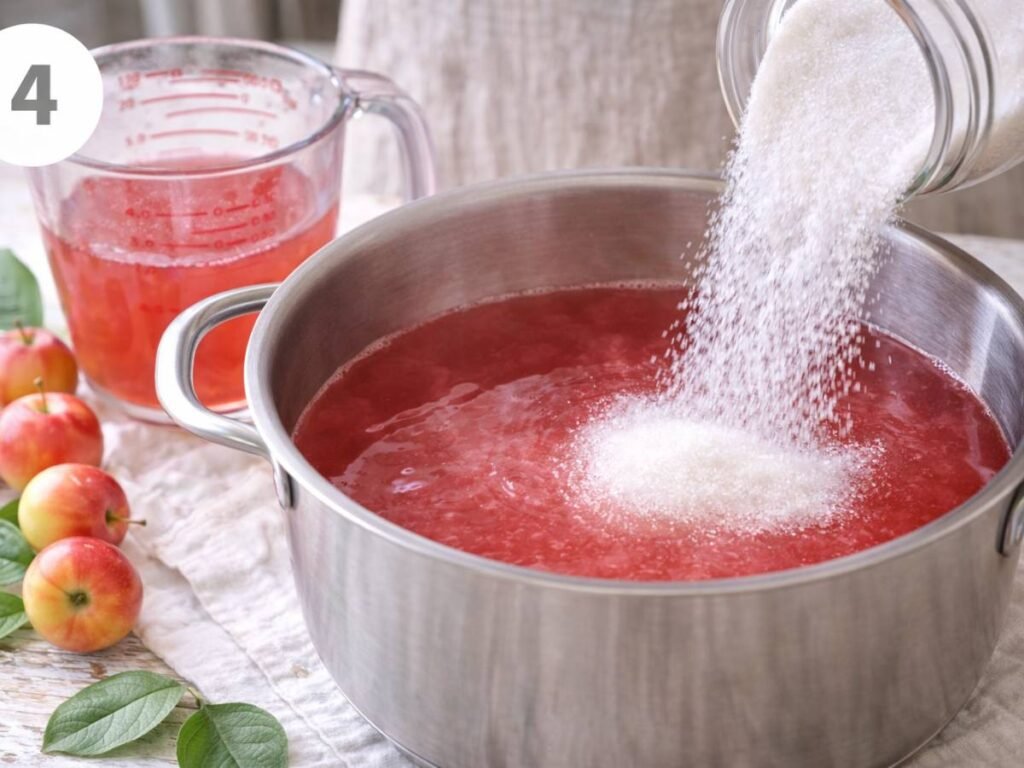
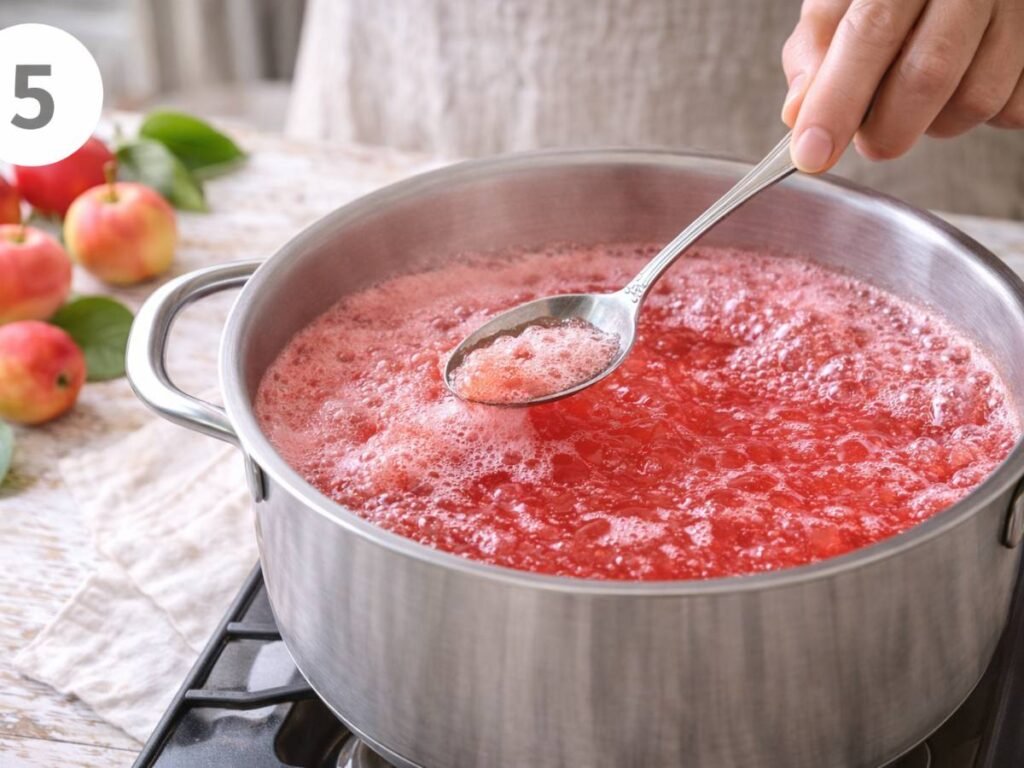
After simmering the mixture is strained through a jelly bag or cheesecloth. This stage may take several hours but it produces clear jelly. Once the juice is measured sugar is added. The mixture returns to the pot and cooks until the jelly temperature reaches the proper setting point.
Key Cooking Stages in the Crab Apple Jelly Recipe
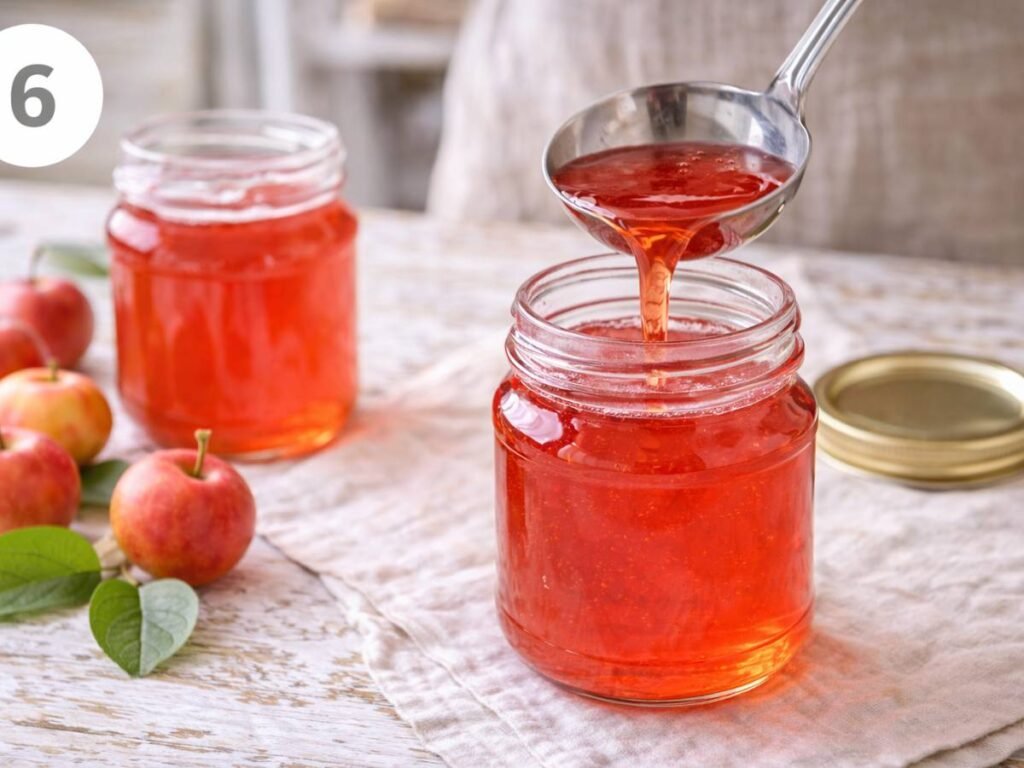
The jelly making process follows a simple flow. First the fruit cooks down and releases juice. Next the liquid is strained to remove pulp. Then sugar dissolves into the juice before boiling begins. Finally the jelly reaches its firm set and is poured into sterilized jars for sealing.
| Stage | Description |
|---|---|
| Fruit simmering | Apples cook down and release juice |
| Straining | Juice separates from pulp through cheesecloth |
| Boiling | Sugar dissolves and mixture thickens |
| Canning | Hot jelly pours into jars and seals |
How to Test if Jelly Is Set
Knowing when jelly reaches the correct setting point is critical. The most common technique is the cold plate test. A spoonful of hot jelly is placed on a chilled plate. If the surface wrinkles when pushed with a finger the jelly has reached the correct texture.
Another method uses a thermometer to track the gel temperature. Most jelly reaches its setting point around 220°F. At this stage the mixture thickens quickly. Many experienced cooks watch both the temperature and the texture to ensure a perfect set.
Expert Tips for Perfect Crab Apple Jelly
Clear jelly depends on patience during straining. Squeezing the fruit pulp forces small particles into the juice. That results in cloudy jelly instead of the bright transparent finish many cooks want.
Temperature control also improves the final result. Maintaining steady heat during boiling helps the sugar dissolve evenly. Skimming foam during cooking keeps the finished jelly smooth. These simple steps help produce artisan food quality results even in a home kitchen.
What to Do if Your Jelly Didn’t Set
Even experienced cooks occasionally see jelly that remains runny. The most common cause is insufficient boiling time. If this happens simply return the mixture to the pot and heat again until the temperature reaches the correct gel point.
Another reason may involve incorrect sugar ratios or too much added water. Because crab apples contain strong pectin sources reheating often fixes the problem quickly. Most batches achieve a firm set after a short second boil.
How to Store and Preserve Crab Apple Jelly
Proper storage protects the flavor and texture of the jelly. When sealed using water bath canning the jars can remain shelf stable for up to one year. The sealed jars should be stored in a cool dark pantry to maintain quality.
Refrigerated jelly will also last several months once opened. Labeling jars with preparation dates helps track shelf life. Many homesteading kitchens rely on this preservation method to store fall preserves throughout winter.
Ways to Use Crab Apple Jelly
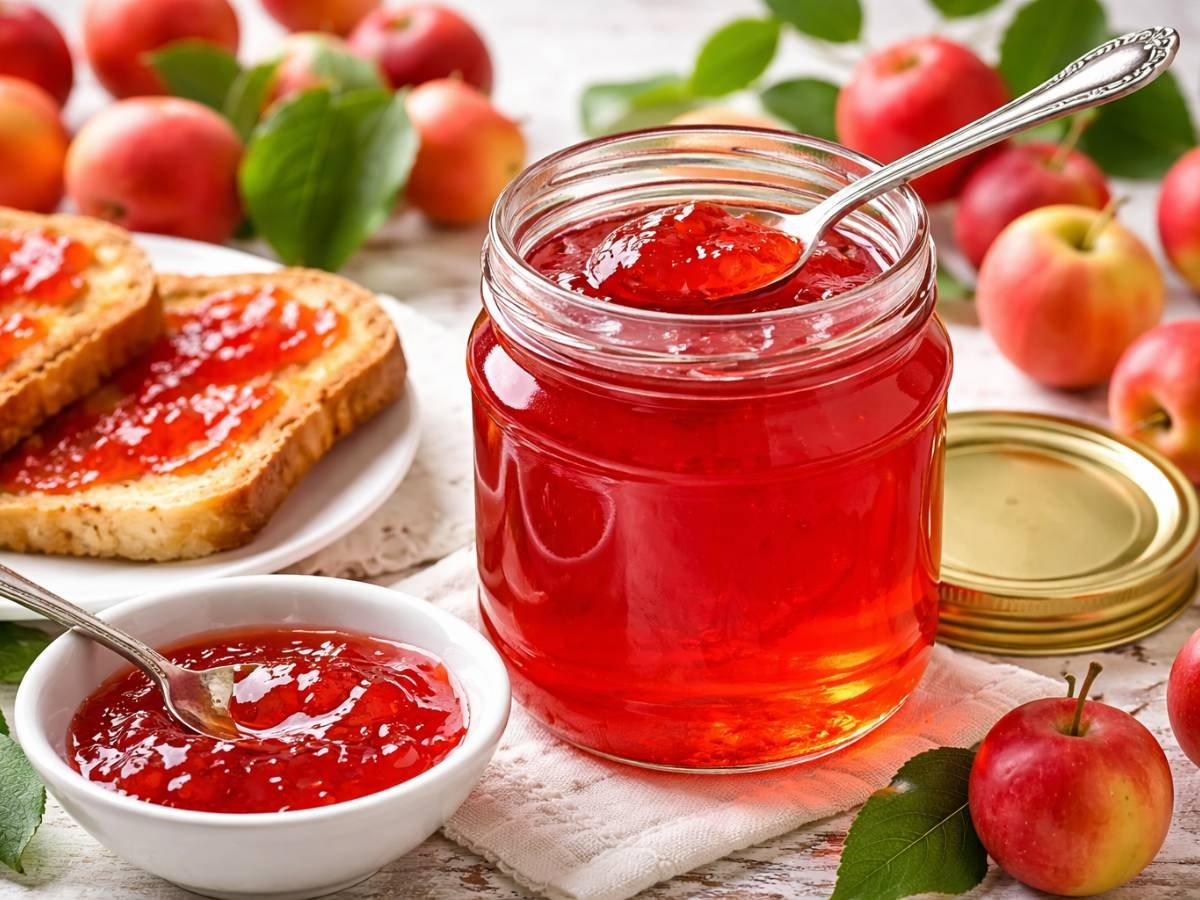
Crab apple jelly shines at the breakfast table. Spread it on warm toast, biscuits, or fresh scones for a bright, sweet flavor. The jelly also works well with yogurt or pancakes.
Savory cooking also benefits from this preserve. Many chefs glaze roasted pork or poultry with apple jelly. Others stir it into sauces or chutney recipes. Its balance of sweetness and tartness pairs well with many dishes.
| Serving Idea | Flavor Pairing |
|---|---|
| Breakfast toast | Sweet apple flavor |
| Scones or biscuits | Classic tea pairing |
| Roast pork glaze | Sweet savory contrast |
| Cheese boards | Artisan food presentation |
Crab Apple Jelly Recipe Card
This simple recipe card summarizes the process for easy kitchen reference.
| Ingredient | Amount |
|---|---|
| Crab apples | 4 pounds |
| Water | 5 cups |
| Sugar | about 3½ cups |
| Lemon juice | optional |
| Cooking Time | Value |
|---|---|
| Prep time | 20 minutes |
| Cook time | 45 minutes |
| Yield | about 3 to 4 jars |
The jelly is poured into sterilized jars while hot. After sealing the jars cool completely on the counter before storage.
Explore more recipes
Chopped Almonds Asian Sauce Recipe
Liquid Maria Juana Drink Recipe
GAPS Cream Cheese Dessert Recipe (No-Bake, Grain-Free & Creamy)
Pharaoh Sauce Recipe: Ancient Taste Meets Modern Flavor
Frequently Asked Questions
What can you do with crab apple jelly?
You can spread it on toast or scones, use it as a glaze for meats, mix it into sauces, or add it to desserts and cheese boards.
How long will crab apple jelly last?
Properly sealed jars stored in a cool pantry can last about 12 months, while opened jars kept in the refrigerator usually stay good for 2–3 months.
What can I eat apple jelly with?
Apple jelly tastes great with toast, biscuits, pancakes, yogurt, cheese boards, and pastries.

Crab Apple Jelly Recipe
Ingredients
Equipment
Method
- Wash the crab apples well and remove stems. Cut the apples in half or quarters so you can check the inside of the fruit.
- Place the prepared apples into a large pot and add water. Bring the mixture to a boil over medium heat, then reduce the heat and simmer for about 15–20 minutes until the fruit becomes soft.
- Lightly mash the apples using a potato masher to help release the juice. Do not over-mash because too much pulp can make the jelly cloudy.
- Line a colander with a jelly bag or cheesecloth and place it over a large bowl. Pour the cooked apple mixture into the cloth and allow the juice to drain naturally for 2–3 hours. Avoid squeezing the pulp if you want clear jelly.
- Measure the collected juice and pour it back into a clean pot. For every 1 cup of juice add about ¾ to 1 cup of sugar depending on how sweet you prefer the jelly.
- Bring the juice and sugar mixture to a rolling boil while stirring occasionally. Continue cooking until the temperature reaches about 220°F (104°C) or until the jelly passes the cold plate test.
- Skim any foam from the surface. Carefully ladle the hot jelly into sterilized jars using a funnel, leaving about ¼ inch headspace.
- Seal the jars with lids and process them in a boiling water bath for about 5–10 minutes if you want long-term storage.
- Remove the jars and allow them to cool completely at room temperature. Once sealed, store the jars in a cool pantry or refrigerate after opening.
Notes
Crab apples naturally contain high pectin, which helps the jelly set properly.
If the jelly does not set after cooling, reheat it and boil again until it reaches the proper temperature.
Nutrition
Calories: 66 kcalCarbohydrates: 17 g
Sugar: 16 g
Protein: 0.1 g
Fat: 0.1 g
Fiber: 0.3 g
Sodium: 1 mg
Keywords
crab apple jelly recipe, homemade crab apple jelly, easy crab apple jelly recipe, how to make crab apple jelly, traditional crab apple jelly, crab apple jelly without pectin, clear crab apple jelly, wild crab apple jelly, apple jelly from crab apples, fall fruit jelly recipeRecipe Expert & Food Blogger
Meet Sarah Hasan – the heart and soul of Kitchen Pinch.As a passionate home chef with a wealth of culinary experience, Sarah specializes in crafting easy yet flavor-packed recipes that showcase comfort food, global dishes, copycat favorites, pasta, tacos, and more. Her simple approach makes cooking approachable and fun for all levels.
✔ Easy Comfort Food✔ Global Flavors & Fusion✔ Copycat Restaurant Dishes